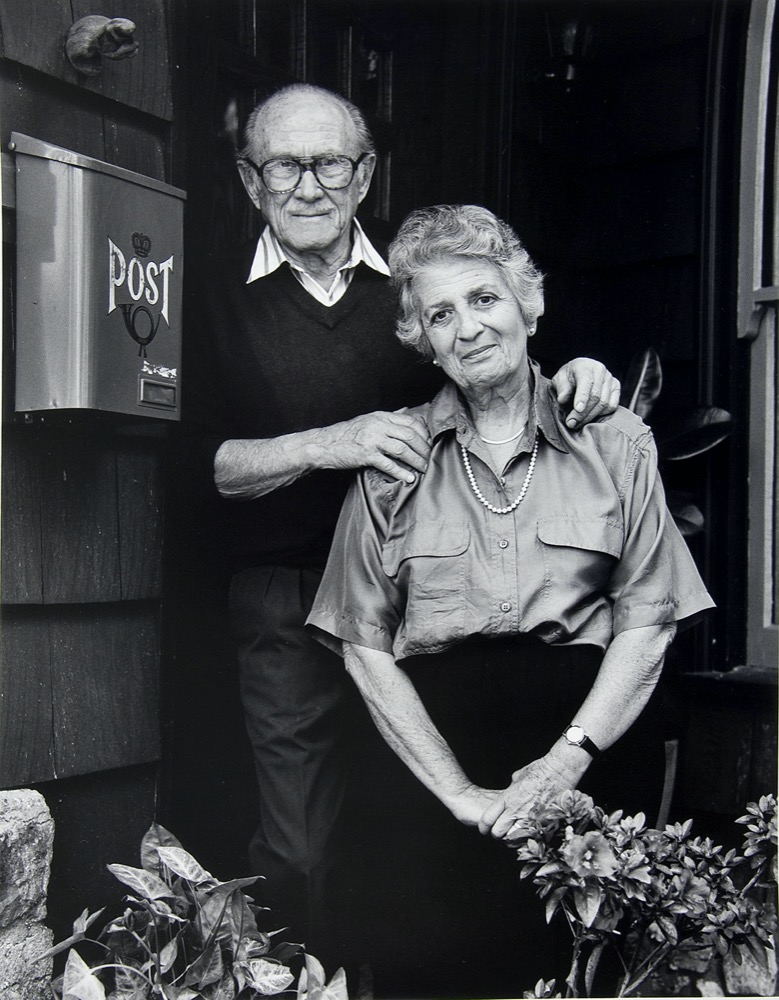
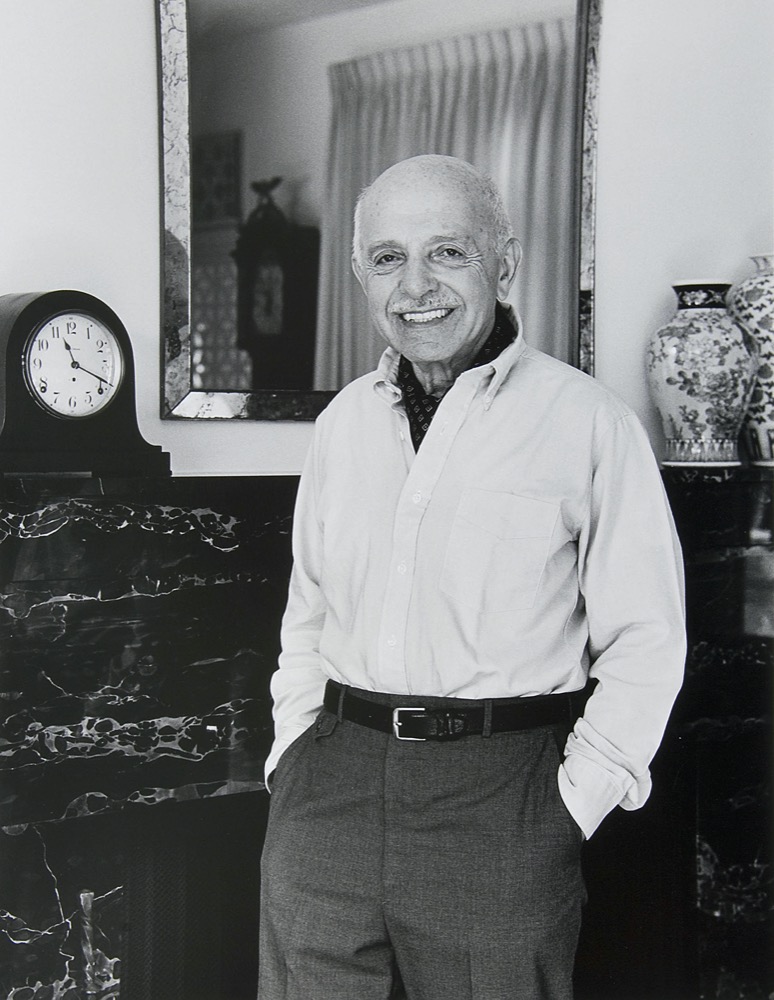
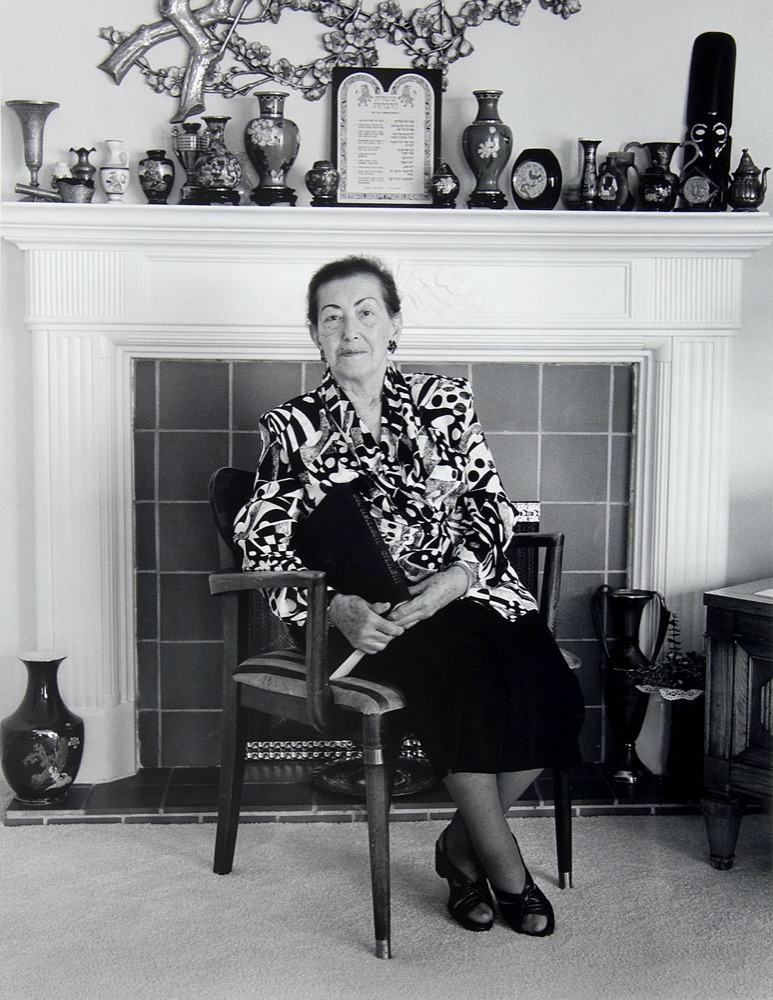
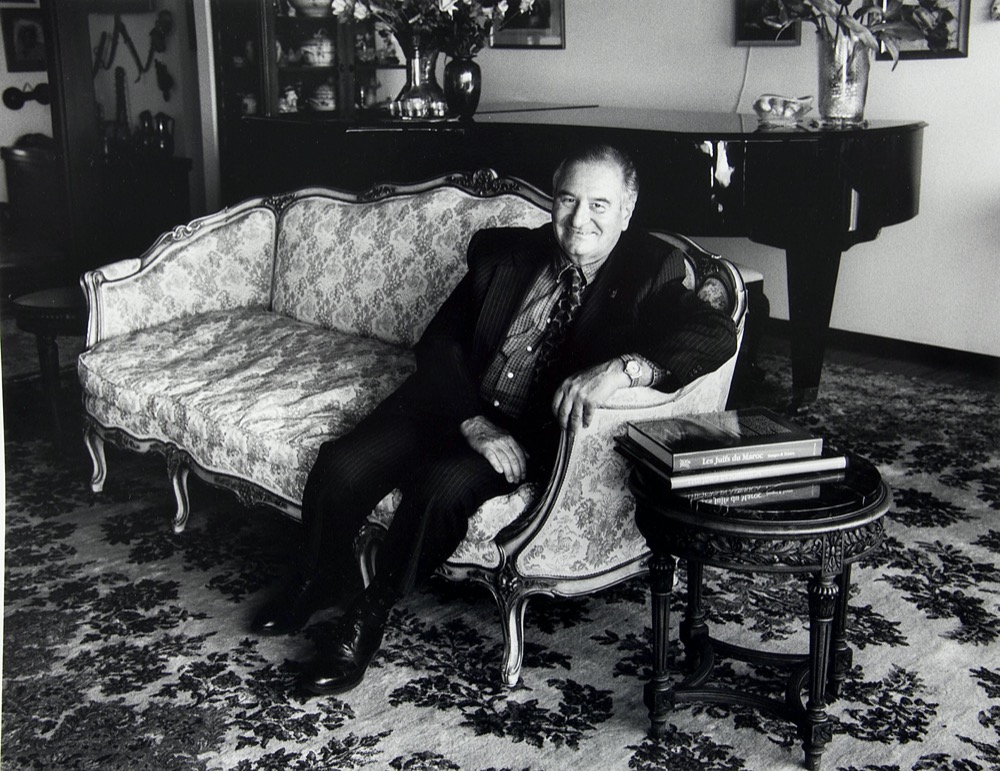
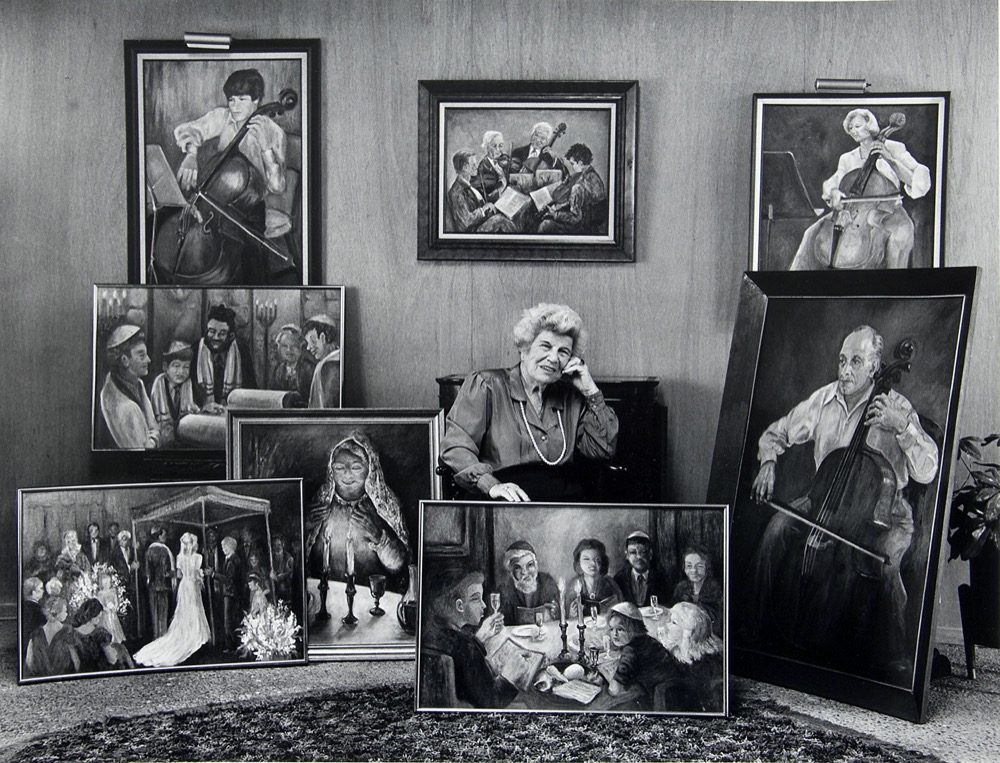
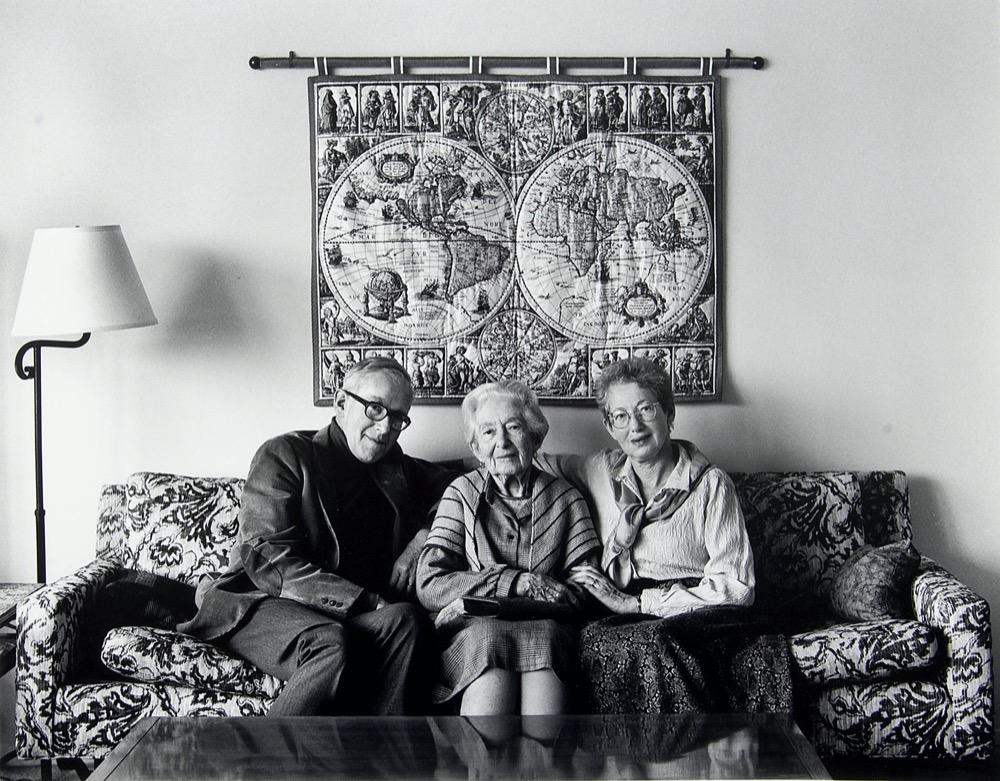
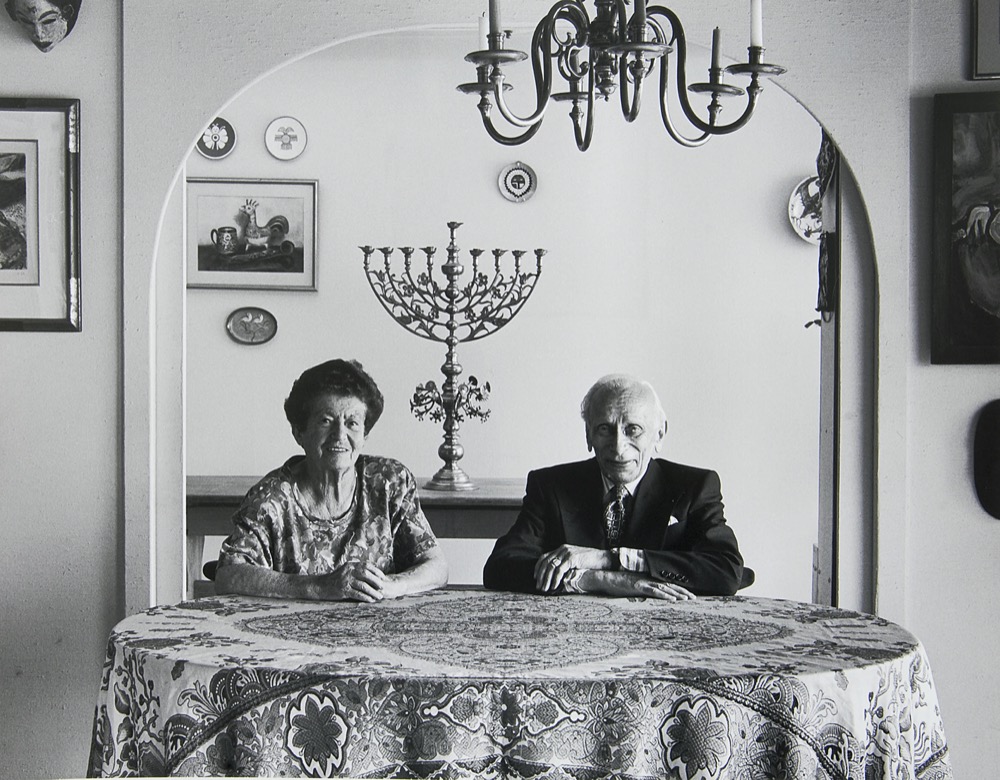
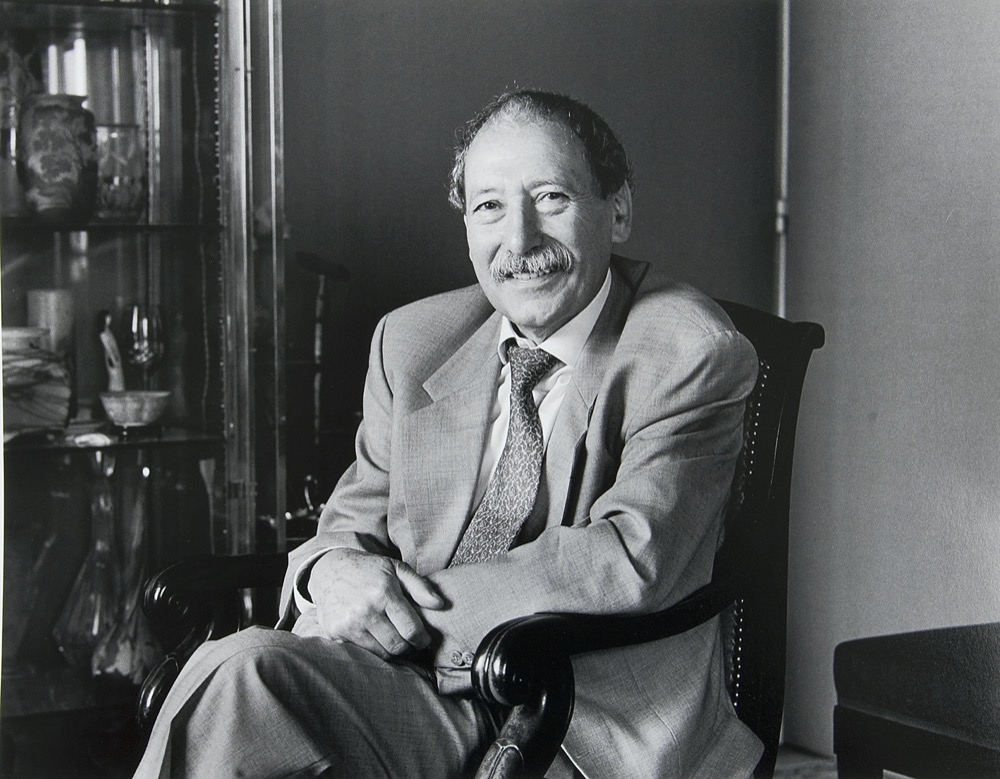
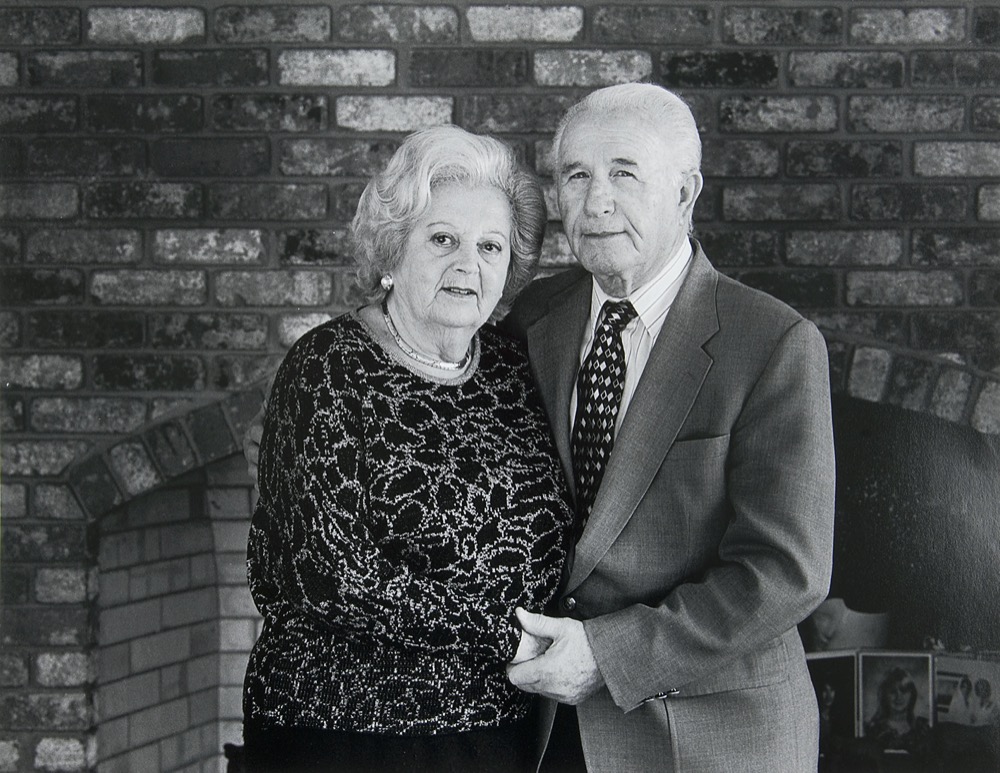
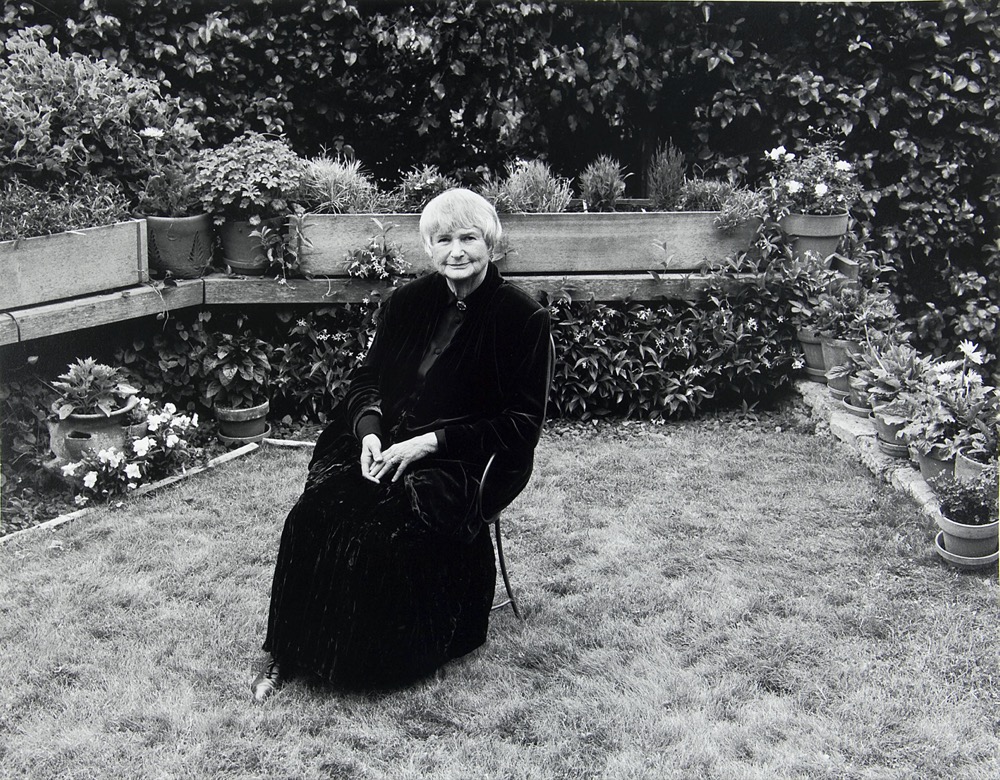
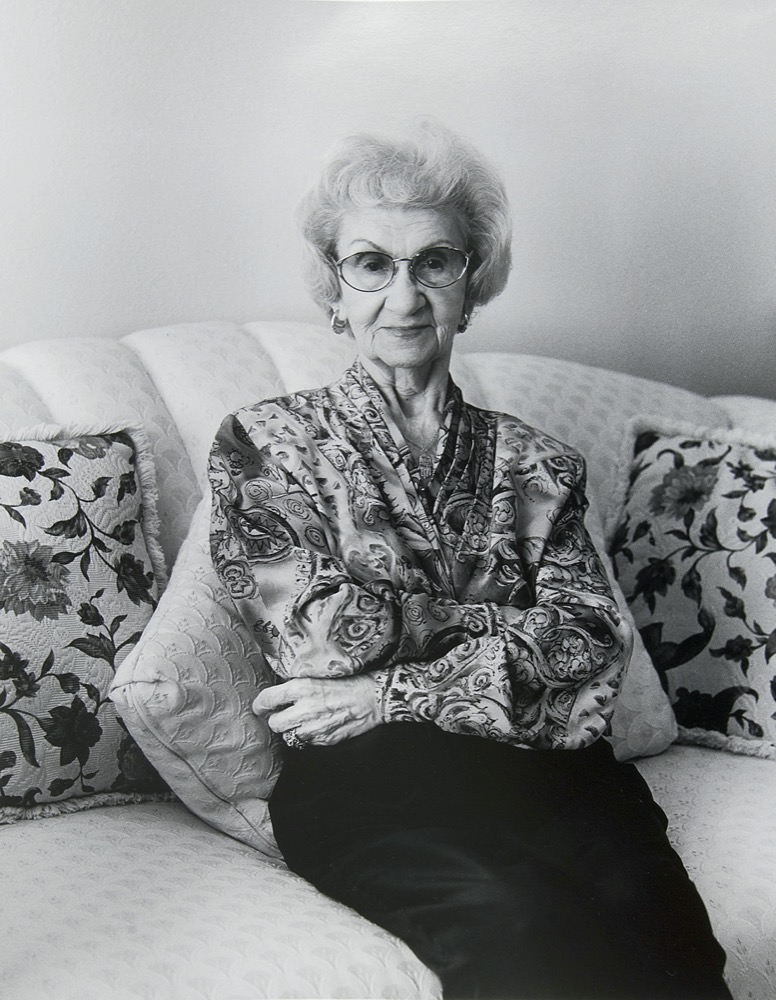
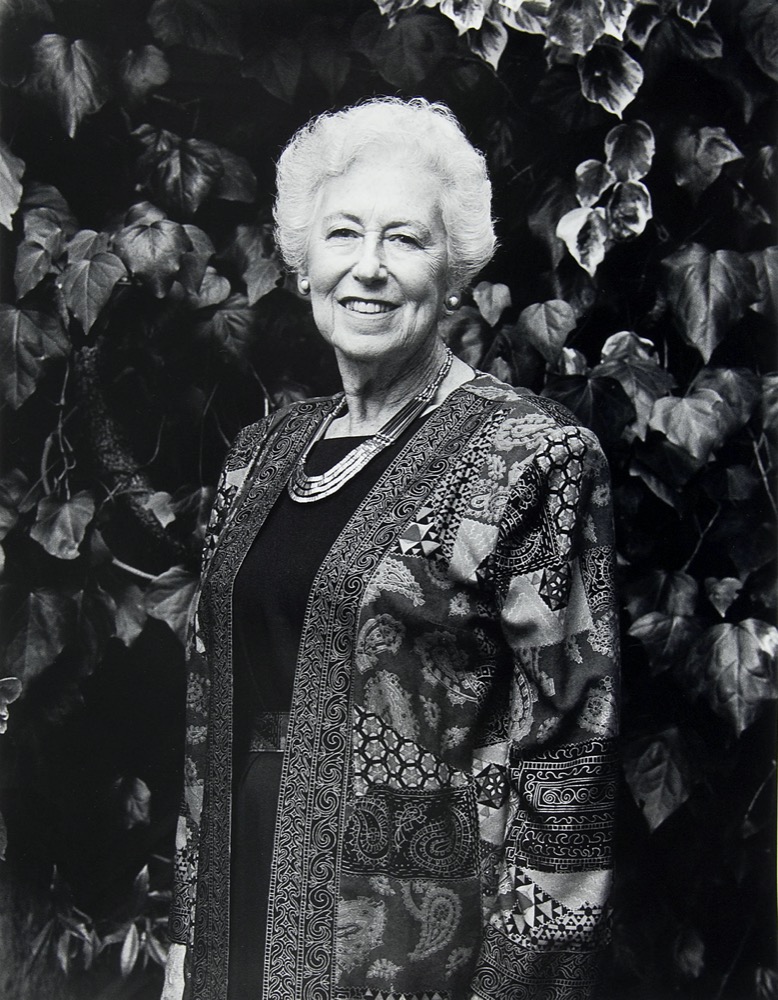
An insightful examination of the Holocaust utilizing invaluable primary source materials. The combination of first-person accounts and moving portraits presents these events on a human level to communicate their personal as well as historical significance.
About the Project
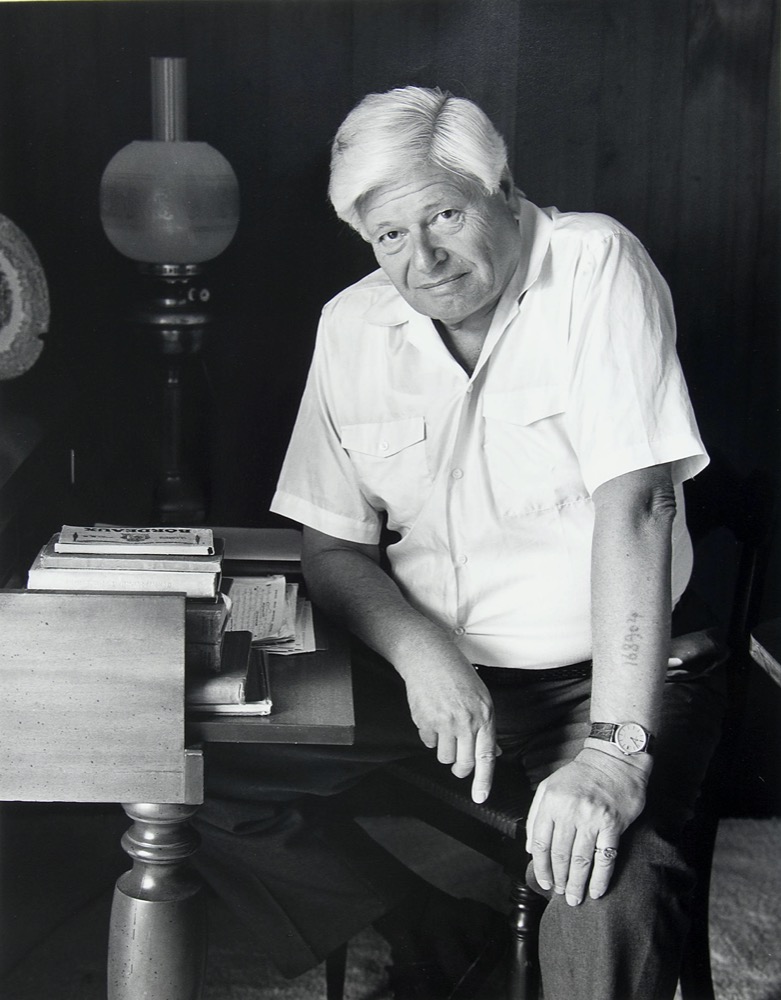
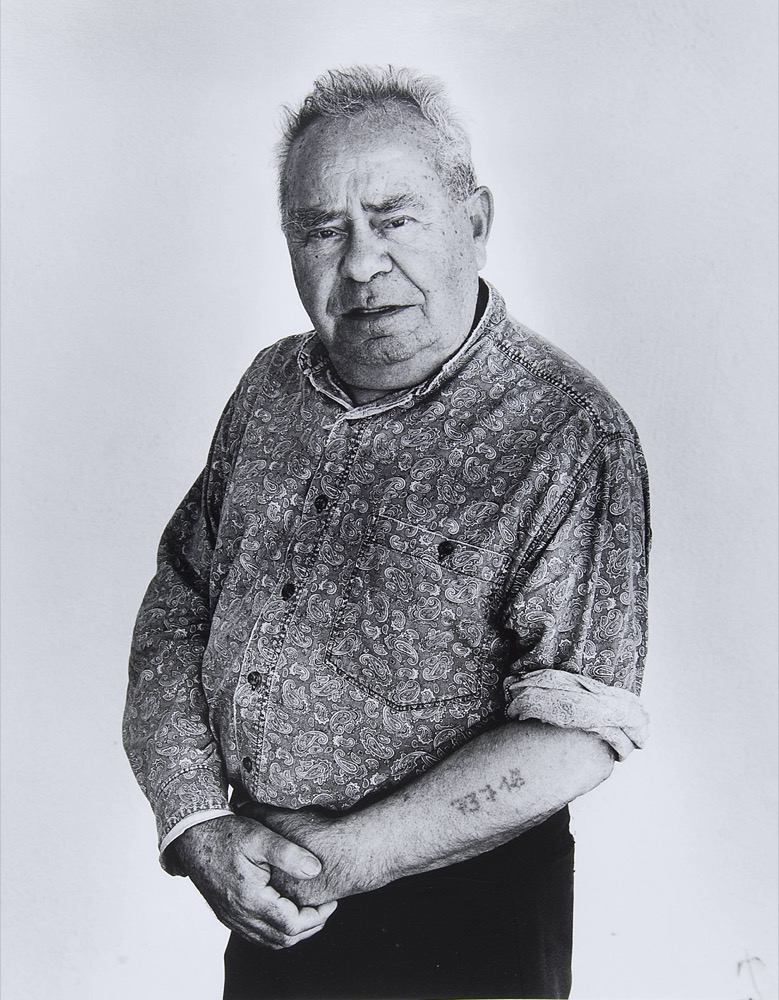
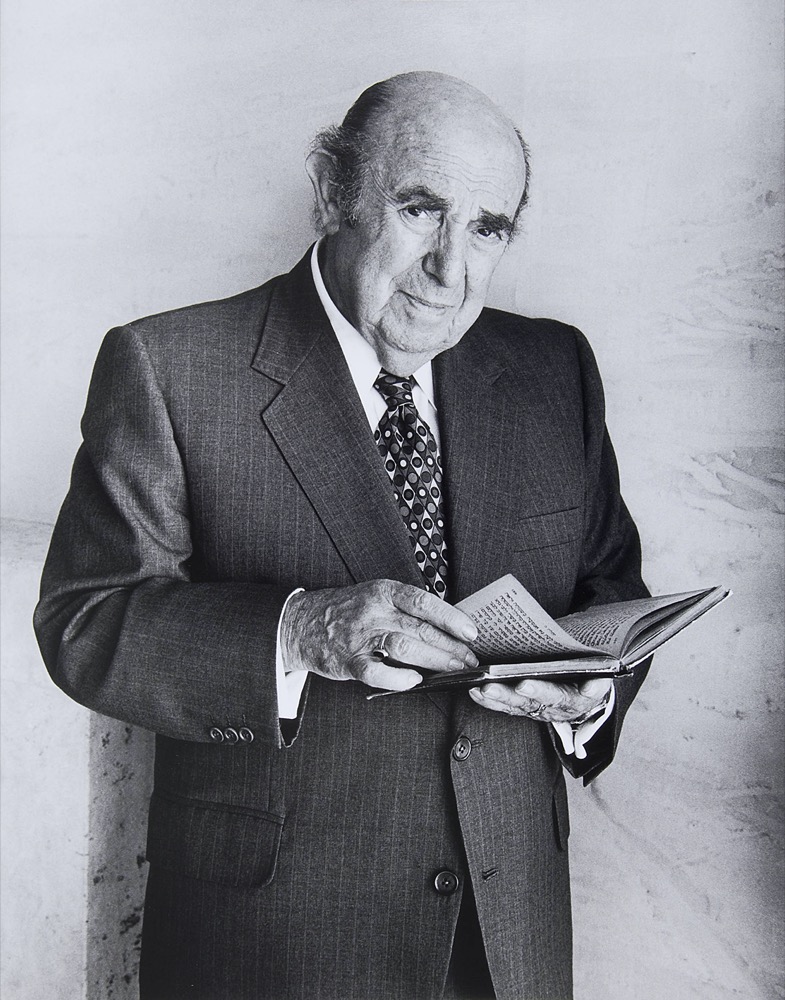
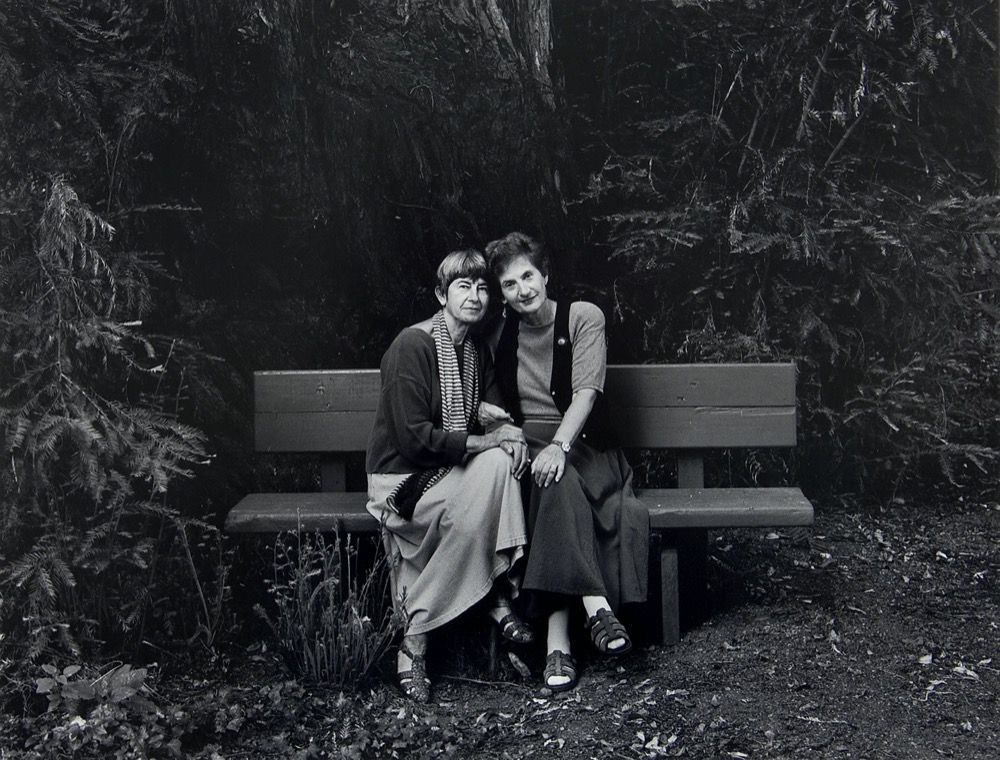
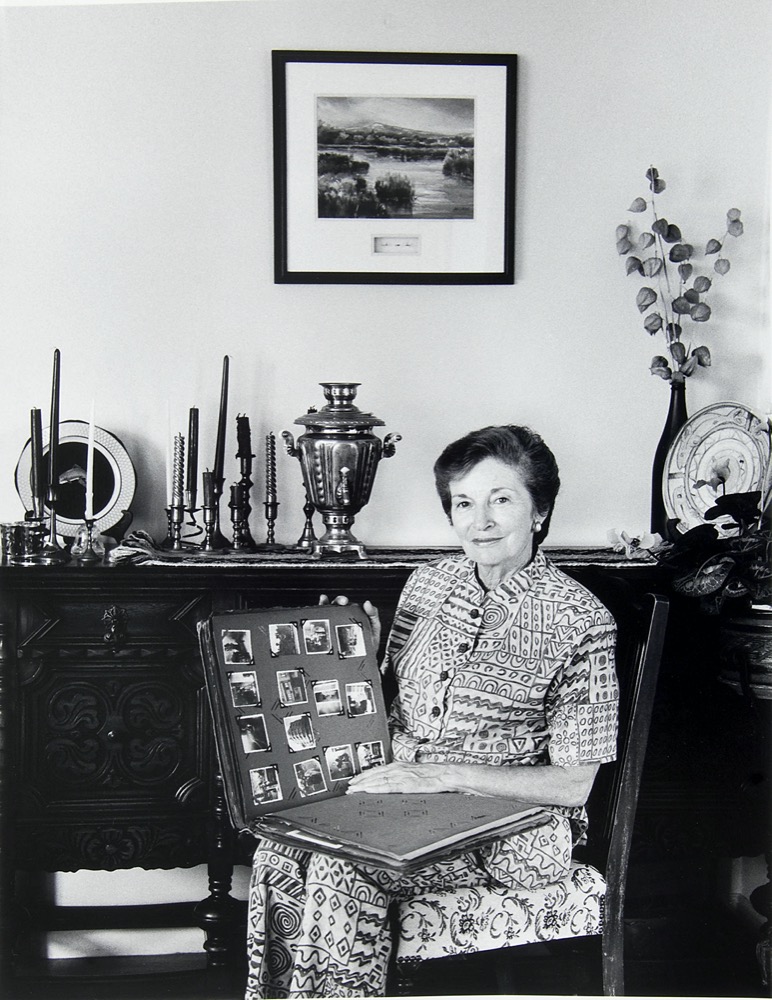
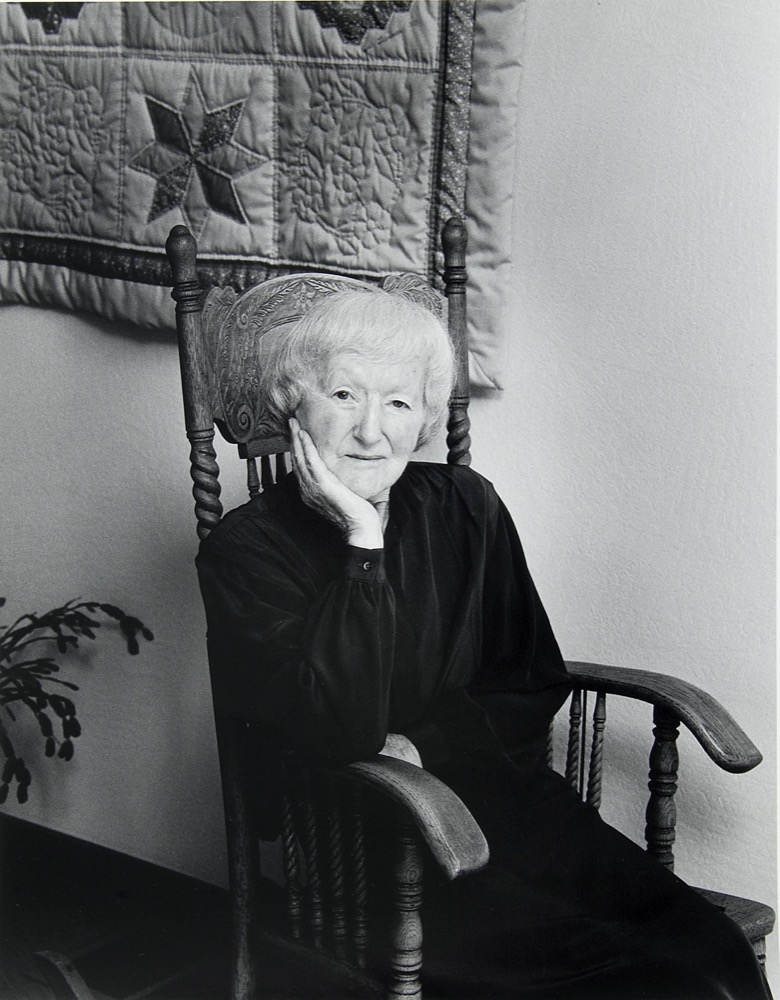
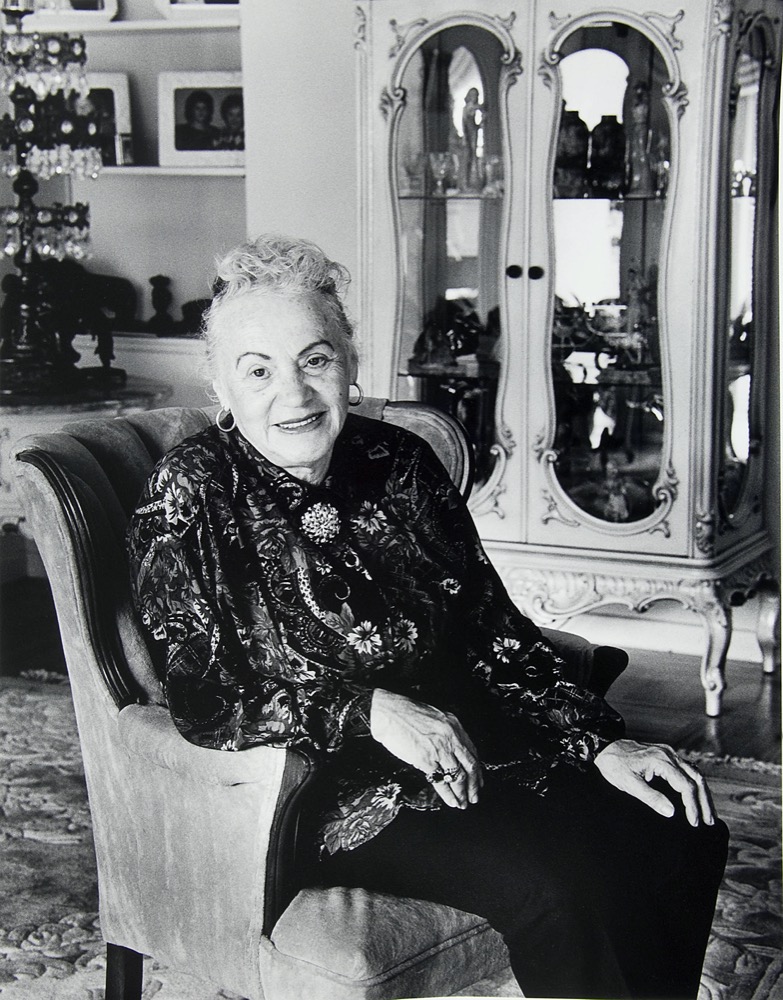
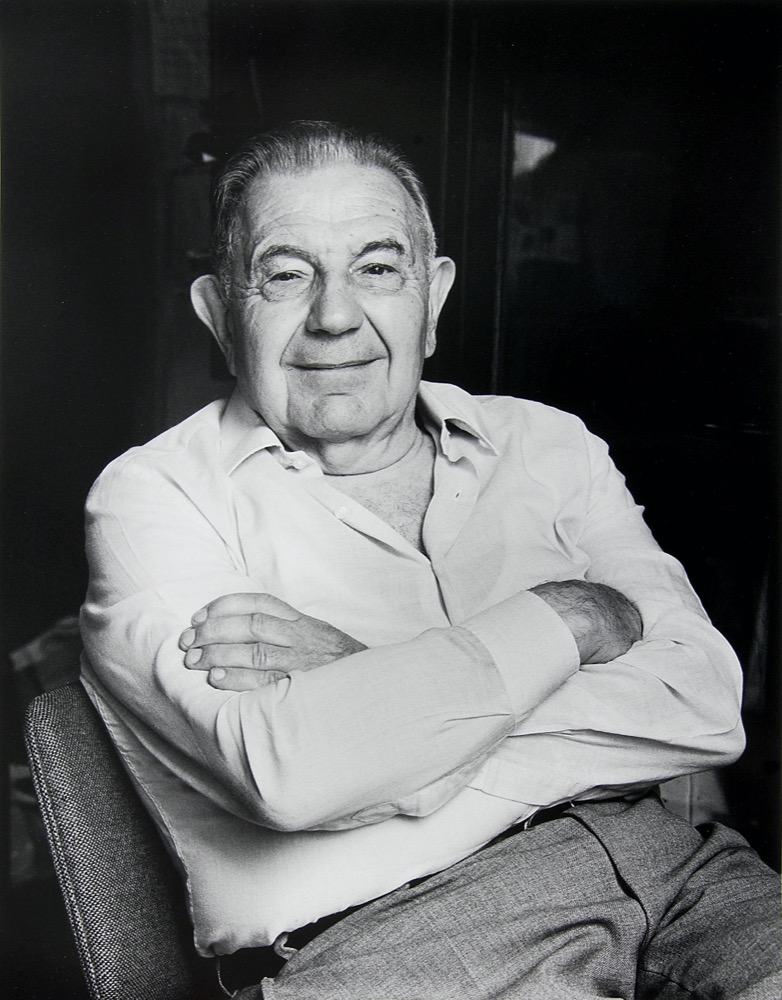
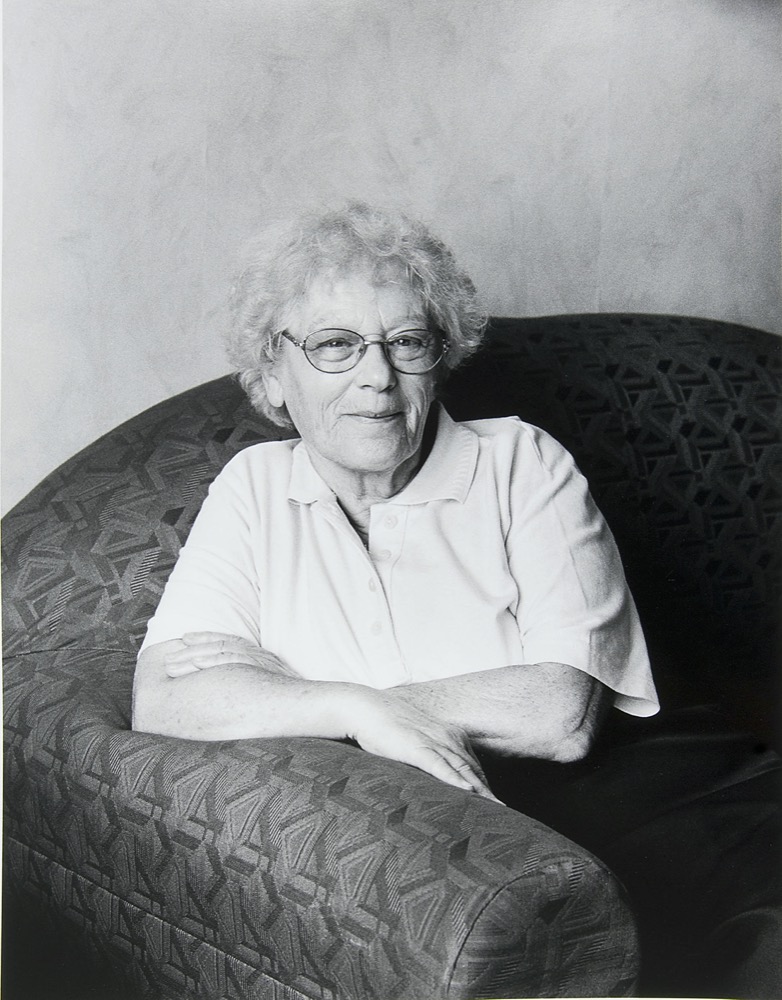
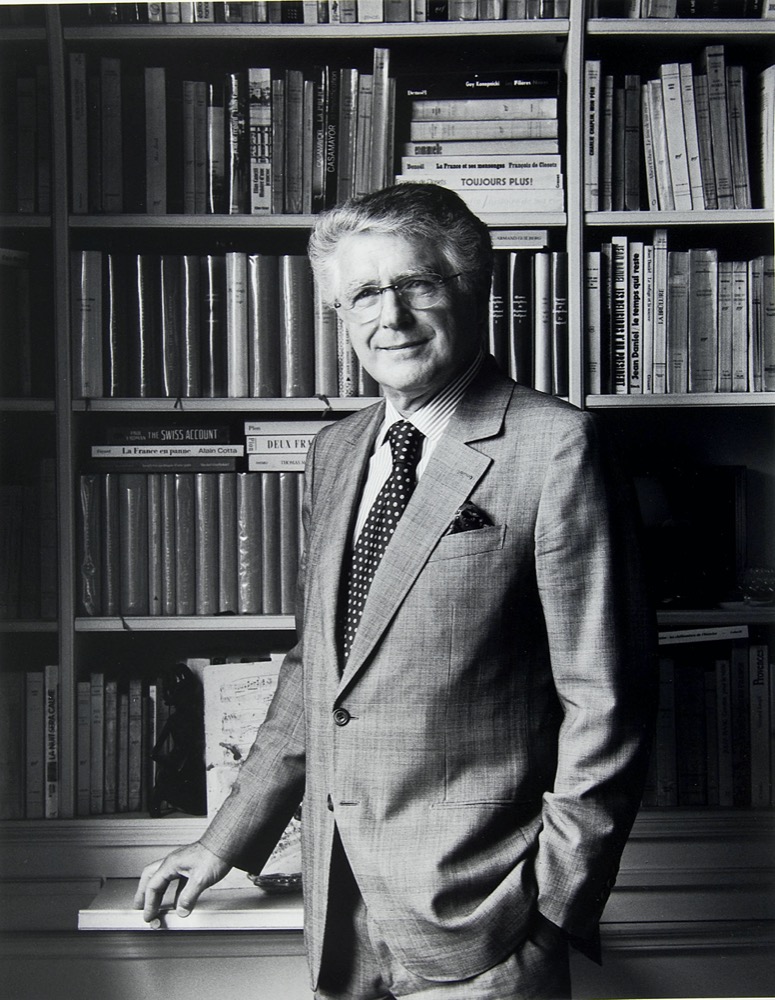
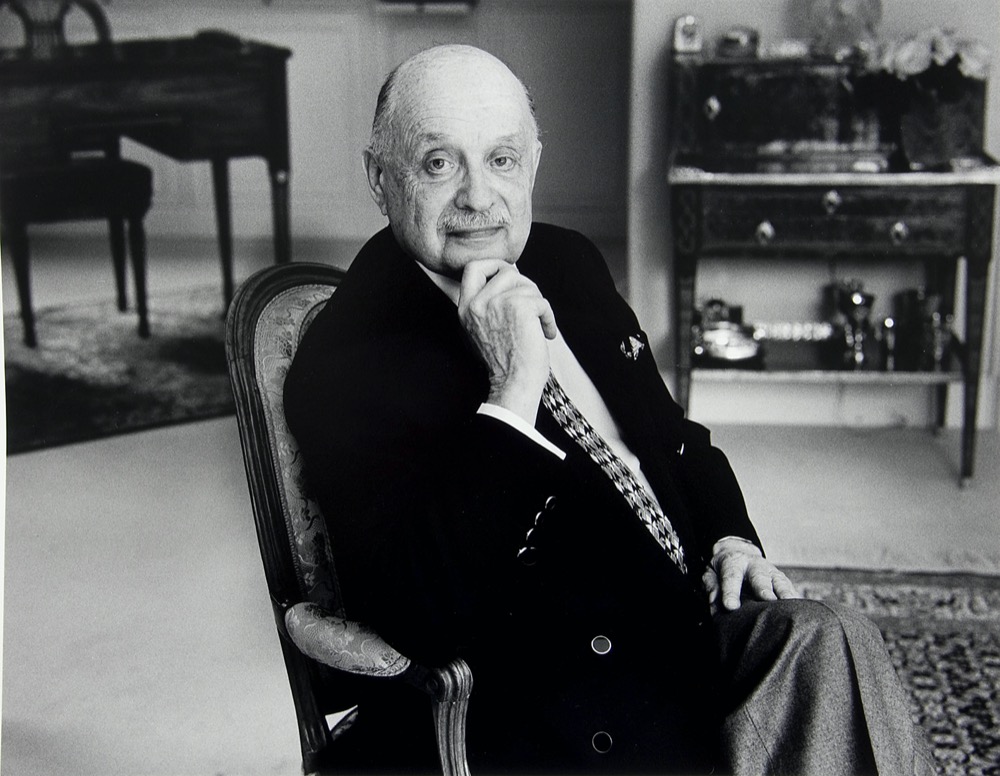
Photographer Evvy Eisen created portraits of more than 200 Holocaust survivors in the United States and Europe and collected their personal testimonies. She founded the Multiply by Six Million Project to bring together the major facets of her work—Portraits, Survivor Testimonies, Exhibits, and Film—and make them accessible for viewing, education, and research.
For many survivors, the trauma of the Holocaust remained beneath the surface of daily life, too painful to confront and this was the first time they wrote about the profound losses and repeated traumas they and their families endured. Their words offer deeply personal insights into memory, survival, and the resilience of the human spirit.
Eisen's work has been exhibited in the United States and Europe and is in the permanent collections of the United States Holocaust Memorial Museum and the Mémorial de la Shoah in Paris.
Photographer's statement
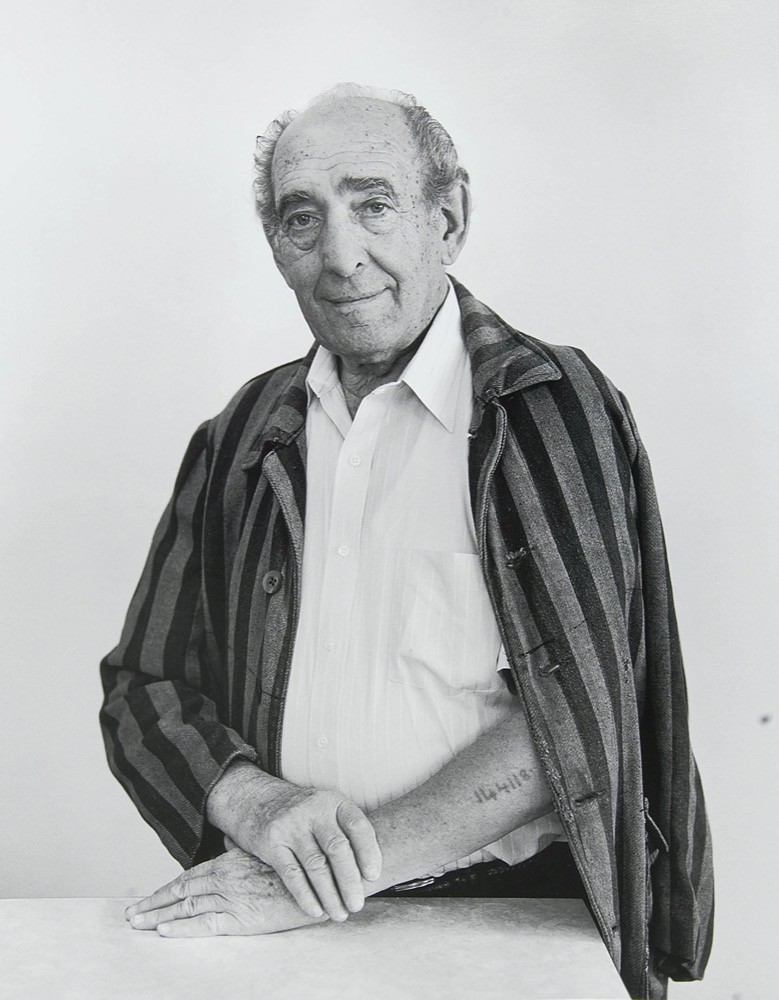
I met with each Survivor multiple times photographing them in their home or a place they chose, encouraging them to include objects of personal significance in their portrait. Some chose cherished family belongings, others showed the fading numbers tattooed on their forearm.
Each looked directly into the lens of my camera, so that their eyes communicate directly with the viewer. I gave each Survivor a copy of their portrait to thank them for participating in this project.
Photographs were not digitally manipulated in any way. I worked with black-and-white film, a medium-format camera, and natural light. I did all darkroom work myself, creating individual fine-art silver gelatin prints.
I did not accept any compensation for my work or reimbursement for expenses related to this project. I received limited grant support to pay those who worked on preparation of exhibits and creation of the film.
In the Words of Survivors
Moving quotations from Survivors' writing.
"When I spoke of the horrors that had taken place no one believed me. So, I found refuge in
silence, I never mentioned it. But every night in my dreams, I went back to Auschwitz."
Gabriel Benichou
photo full text
"We had to be counted in the courtyard every morning no matter how we felt, no matter what
the weather, rain or cold or snow or wind. Sometimes the count lasted for hours until they got it right.
But it could never be right because some of us had already died."
Leah Laskowski
photo full text
"Our struggle to survive was not just from day to day, but from hour to hour, minute to minute."
Helen Farkas
photo full text
"I am often asked, sometimes with barely disguised suspicion, ‘If you and your Jewish mother lived in Germany during the Nazi time, how come you survived?’ We survived because at critical moments there always appeared in our lives people who were willing to take great personal risks on our behalf."
Marianne Gerhart
photo full text
"I smile but I do not laugh. My son was raised in a home where laughing was a crime. There are days when I wonder what I am doing here."
Clara Hilt
photo full text
"I don’t know what kept me going. The past was gone. There was no future. I wanted to live so badly and be able to go back and tell my story."
William Lowenberg
photo full text
"Our doorbell rang, and there stood my best friend’s brother in full Nazi uniform. The Boy Scout troop in which he had been active was a disguised Nazi den. It was the first of many disappointments in people I had thought I knew."
Erika Meier
photo full text
"In my portrait I am wearing the jacket I wore in Auschwitz. It was my shield. I put a cement bag under the coat so the water would not seep through. When we were liberated, I kept the coat."
Sam Reselbach
photo full text
"Most of my relatives and friends perished in death camps. I survived but lost my previous capacity for love and happiness."
John Steiner
photo full text
"In reality, I was born twice. The first time was November 25, 1918, in Lyda Lithuania... On May 11, 1945, I was born for the second time."
Henry Bulawko
photo full text
"On April 1, 1940, at age fourteen, I ended up all alone in a ghetto that was closed off and totally isolated from the exterior world."
Jenny Sztanke
photo full text
"I waited and waited but no one came back. I never had any news. I don’t know how my father, my grandfather, my aunts, cousins, uncles died, in what conditions they died, where they died or when they died. I never found out."
Marcel Jabelot
photo full text
"I remain an eyewitness to a tragic era. Things are always veiled in a shadow that never left me. It is unforgettable, haunting… I am and remain uprooted, bruised."
Paul Schaffer
photo full text